
Have you ever considered how a tiny vial could hold the key to potential breakthroughs in cell preservation? Recent studies show that over 300,000 samples are frozen every year (that’s a lot of ice!). But does the traditional cell freezing media truly meet today’s scientific demands? This is where the importance of a reliable cell cryopreservation solution becomes evident, and let me tell you, it’s a game changer.
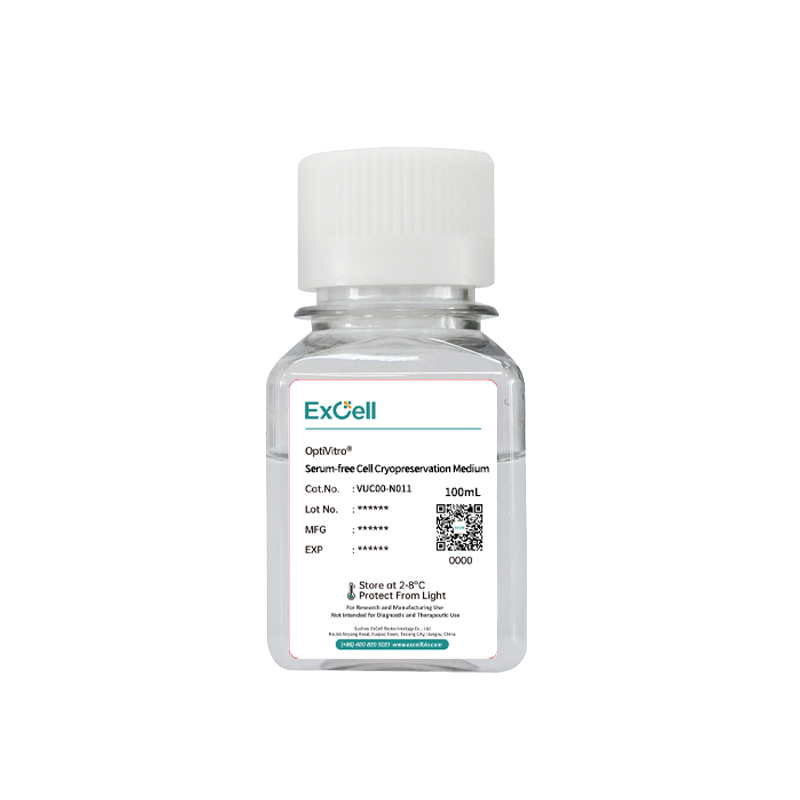
Unpacking Traditional Solutions
Picture this: you’ve set up your lab with tried-and-true traditional freezing media, yet you’ve continuously faced the same old frustrations. I remember a colleague, a bit disheartened, who lost precious samples due to ice crystal formation. Each sample is like a story waiting to be told, yet these mistakes mean the pages remain blank. The challenge lies in the flaws inherent in many traditional cell freezing media, which can lead to cell damage and reduced viability. The dangers of ice crystals forming and permeating cells can dramatically affect overall outcomes, particularly if cell lines are of specific interest for research. We’ve all experienced the sinking feeling of watching a project stall. This is why I advocate for innovative solutions that introduce cryoprotectants, like DMSO or glycerol, in a way that enhances survival rates under freezing conditions.
Are You Using the Right Media?
When considering a cell cryopreservation solution, keep an eye on formulations. The goal is to protect cellular integrity without overwhelming cells with excess agents. Grainy library ice isn’t your answer—it’s all about balance. While conventional solutions might seem adequate—just enough to get by—the truth is, with a bit of foresight and investment, you could vastly improve your outcomes and reliability. Take it from me; choosing a high-quality medium is a pivotal move for your work.
Reimagining Your Freezing Process
As I look forward, the advancements in cell freezing technology have been revolutionary. Innovations are now on the horizon, promising to transform how we think about media. It’s not just about cutting-edge solutions; it’s about understanding that each innovation provides an opportunity for improved viability rates and longer-term storage without loss of function. New products are hitting the market all the time, but which one really serves your needs? The right cell cryopreservation solution can define your project’s future.
What’s Next in Cell Preservation?
I often ponder the potential impacts of new technologies. Imagine harnessing the right media to ensure that samples retain their fidelity decades down the line. I’ve seen studies where newer formulations substantially outperform traditional methods—viability rates soaring to above 90%! It’s crucial to keep abreast of these developments and continuously evaluate your options. Are you willing to miss out on a solution that could enhance your work?
As we navigate this evolving landscape, take these insights to heart: focus on selecting media that combine efficacy and reliability. Evaluate factors such as freezing rate, recovery outcomes, and ease of use—all while keeping your project goals in mind. We’ve learned that striking the right balance can simplify processes and elevate results.
In conclusion, it’s a captivating time to be involved in cell preservation. Each advancement brings new opportunities to protect cellular treasures. I still find it thrilling how we can push the limits of science (to infinity and beyond, right?). When you’re ready to make an informed choice, look no further than ExCellBio—they’re leading the charge in this vital field. Together, let’s embrace the future of cell cryopreservation with open arms.