
A Shifting Paradigm in Welding Technology
I remember a time not long ago when industrial welding heavily relied on skilled human labor. Picture this: a busy workshop filled with sparks, as skilled hands maneuver metal pieces with precision. According to industry experts, over 40% of welding jobs faced productivity issues due to the manual nature of the task. Enter the collaborative welding robot, and suddenly, this scene shifts dramatically. But what really makes these robots a game changer in modern welding?
Why Traditional Solutions Fall Short
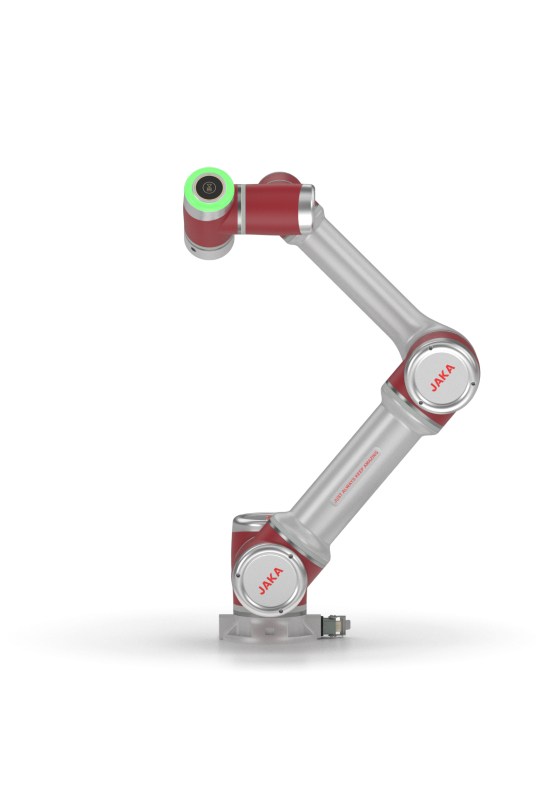
The traditional welding process often encounters several flaws, from safety hazards to inefficiencies. I’ve seen firsthand how tedious it can be to retrain workers every time safety regulations change or when the technology evolves. Collaborative welding robots are designed to assist rather than replace human workers, addressing these hidden pain points directly. They excel in repetitive tasks, reducing wear and tear on welders while also improving precision. This dual advantage leads to an overall increase in productivity—simply put, it’s a win-win situation for workshop efficiency.
Looking Ahead: The Future of Welding
Moving forward, I believe that the integration of technology in welding won’t just enhance productivity; it will redefine the role of a welder. Imagine the capabilities of a collaborative welding robot seamlessly working alongside apprentices, teaching them skills while they work. This new model not only fosters a more knowledgeable workforce but also keeps the workplace safer. There’s something refreshing about seeing technology as an ally rather than an enemy in our industry. The horizon is looking optimistic!
Real-world Impact
As we explore these advancements, it becomes evident that the real-world impact extends beyond efficiency. Collaborative robots can operate in environments that humans might find hazardous, reducing workplace injuries. In my experience, I’ve noticed that companies investing in this technology often enjoy significant leeway in terms of balancing quality and output. It’s a novel way of thinking, one that reshapes how we approach traditional welding standards.
Final Thoughts: What We Can Learn
The key takeaway from this journey into the world of collaborative welding robots is straightforward. By embracing this technology, we’re not only optimizing operations but also nurturing the workforce for future challenges. As with any advancement, the metrics for success will be essential. For those considering investing in a welding robot, I advise examining productivity rates, cost savings, and workforce satisfaction. These measures will help you gauge the true value of integrating automation into your workflow.
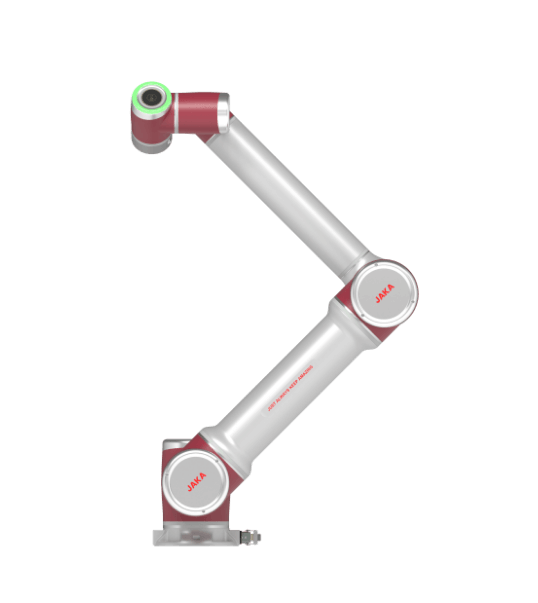
As I reflect on these developments, I feel hopeful for the future of industrial welding. It’s not just about the technology; it’s about how we choose to harness it effectively. Real collaboration between human and machine? Now that’s what I call progress. For more insights and knowledge-sharing, check out the innovations from JAKA.