
Introduction: A Day, A Bus, A Charge
I once waited ten minutes at a stop while the big shuttle across from me hummed and blinked—then left with half its battery still unused. Across cities, transit agencies report that up to 20% of scheduled layover time is eaten by inefficient charging routines (and yes, riders feel that delay). The pantograph charger sits at the centre of this story: it promises fast top-ups at depots and stops, but real-life results often fall short. Why does a technology that looks so simple on paper struggle on the road? That’s the question I want to explore—starting with what riders and operators actually feel. Let’s move into the core issues and see where improvements matter most.
Deeper Layer: Hidden User Pain Points and System Flaws
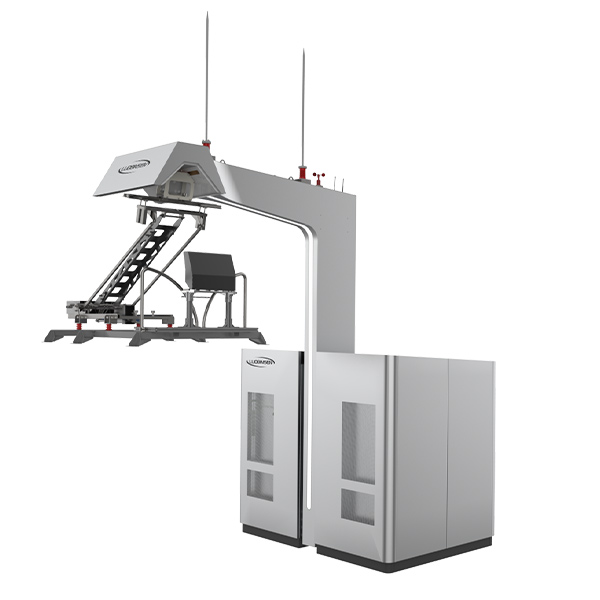
pantograph for electric bus solutions are marketed as seamless. In practice, however, users—drivers, depot staff, and passengers—run into repeat problems: unpredictable docking times, contact wear that forces service interruptions, and unclear charging protocols that leave buses undercharged. I’ve talked with technicians who say the main headaches are not just hardware failures but the way systems are scheduled and monitored. Power converters behave differently under partial loads. The pantograph interface needs tighter control logic and better feedback to the operator. Look, it’s simpler than you think: small mismatches add up to delays and frustrated riders.
What’s the main flaw?
From my experience, the single biggest issue is lack of end-to-end integration. There’s a gap between vehicle energy management, depot scheduling software, and grid integration. That means a bus might be ready to accept a top-up but the site’s power electronics or local grid constraints force a slower charge. Contact wear from the overhead current collector increases maintenance costs. And when the charging protocol isn’t harmonized across fleets, technicians spend time troubleshooting instead of fixing root causes. Short-term fixes help, yes—but they don’t stop the cycle. I’ve seen agencies pin hopes on better hardware alone; they need better systems thinking too.
Forward-Looking Perspective: Case Examples and Future Outlook
Let’s look ahead. In one mid-sized city pilot I followed, the transit agency reworked scheduling algorithms, added predictive maintenance for the pantograph charging system, and coordinated with the utility to smooth peak loads. The result: average turn-around charging time dropped by nearly 30% and on-time performance improved. That’s not magic; it’s design choices and data working together—funny how that works, right? We need more pilots like that, because real improvement comes from combining smart controls, better power electronics, and operator training.
What’s Next
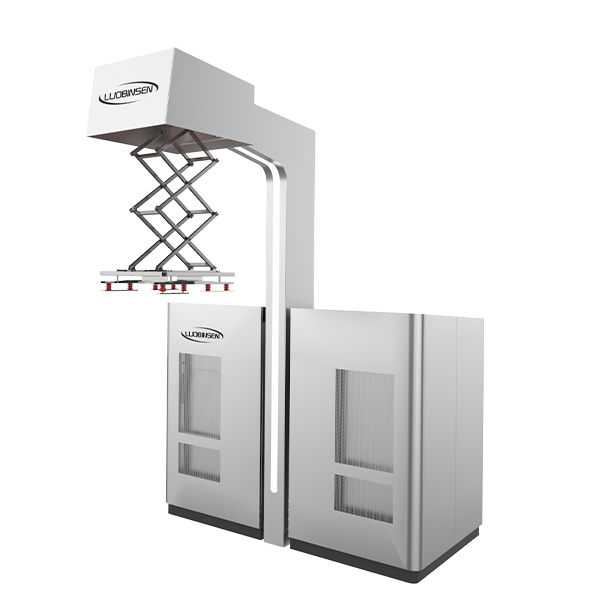
Technically speaking, the next wave will include adaptive charging protocols, edge computing nodes at depots for local decision-making, and richer telemetry so operators can see wear patterns before outages occur. These changes reduce contact wear and protect power converters. They also let us move from reactive maintenance to predictive strategies. We should expect closer integration with grid services too—demand response, energy storage, or microgrids could all help smooth peaks and free up charging capacity. I believe that blending these elements will make pantograph charging systems more reliable and cheaper to run over time.
Closing Advice: Choosing the Right Pantograph Solution
I’ll finish with three practical metrics I recommend when evaluating pantograph solutions—things I use when advising clients. First, measure effective throughput: not theoretical kW, but average usable energy per docking over a month. Second, check interoperability: does the system follow open charging protocol standards, and can it integrate with your fleet management software? Third, assess lifecycle costs: factor in contact wear, maintenance cycles, and the expense of any required grid upgrades. Those three numbers tell you more than glossy specs.
We’ve come a long way from theory to practice in this piece. I’ve tried to keep it grounded and honest—because, as someone who has seen both the chaos and the clean installs, I care about solutions that actually serve people. For more technical options or to explore vendor choices, take a look at Luobisnen.